


 TIẾNG VIỆT
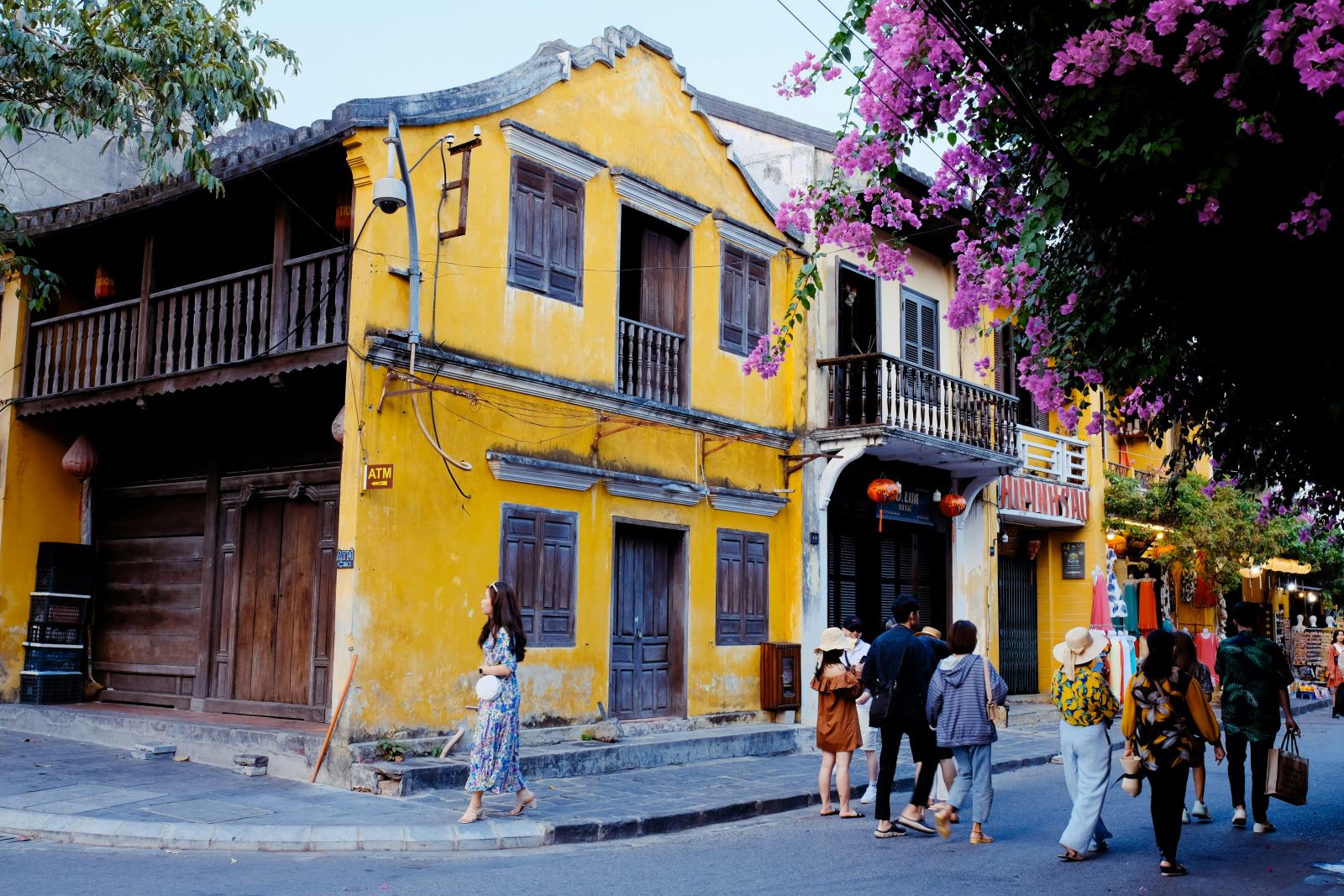
For many international travellers, understanding the Vietnam Address Format can initially feel surprisingly confusing. Addresses in Vietnam often look longer and more layered compared to Western address systems. Travellers may encounter:
-
multiple administrative levels
-
abbreviations
-
changing district names
-
narrow alley numbers
-
mixed English and Vietnamese spelling
This becomes especially noticeable when:
-
booking transportation
-
arranging airport pickup
-
finding hotels
-
locating cafés or restaurants
-
coordinating cruise transfers in Hanoi
Many first-time visitors to Vietnam discover that even when they technically have the “correct address,” navigation can still feel difficult without understanding how the structure works.
In 2026, this remains particularly relevant in:
-
Hanoi Old Quarter
-
Ho Chi Minh City
-
Halong City
-
Cat Ba Island
-
smaller local streets and alleyways
This guide explains how the Vietnam Address Format works, how travellers should read Vietnamese addresses and practical travel tips that can make transportation and itinerary coordination significantly easier during a Vietnam journey.
1.0. Why Vietnam Address Format Can Feel Confusing
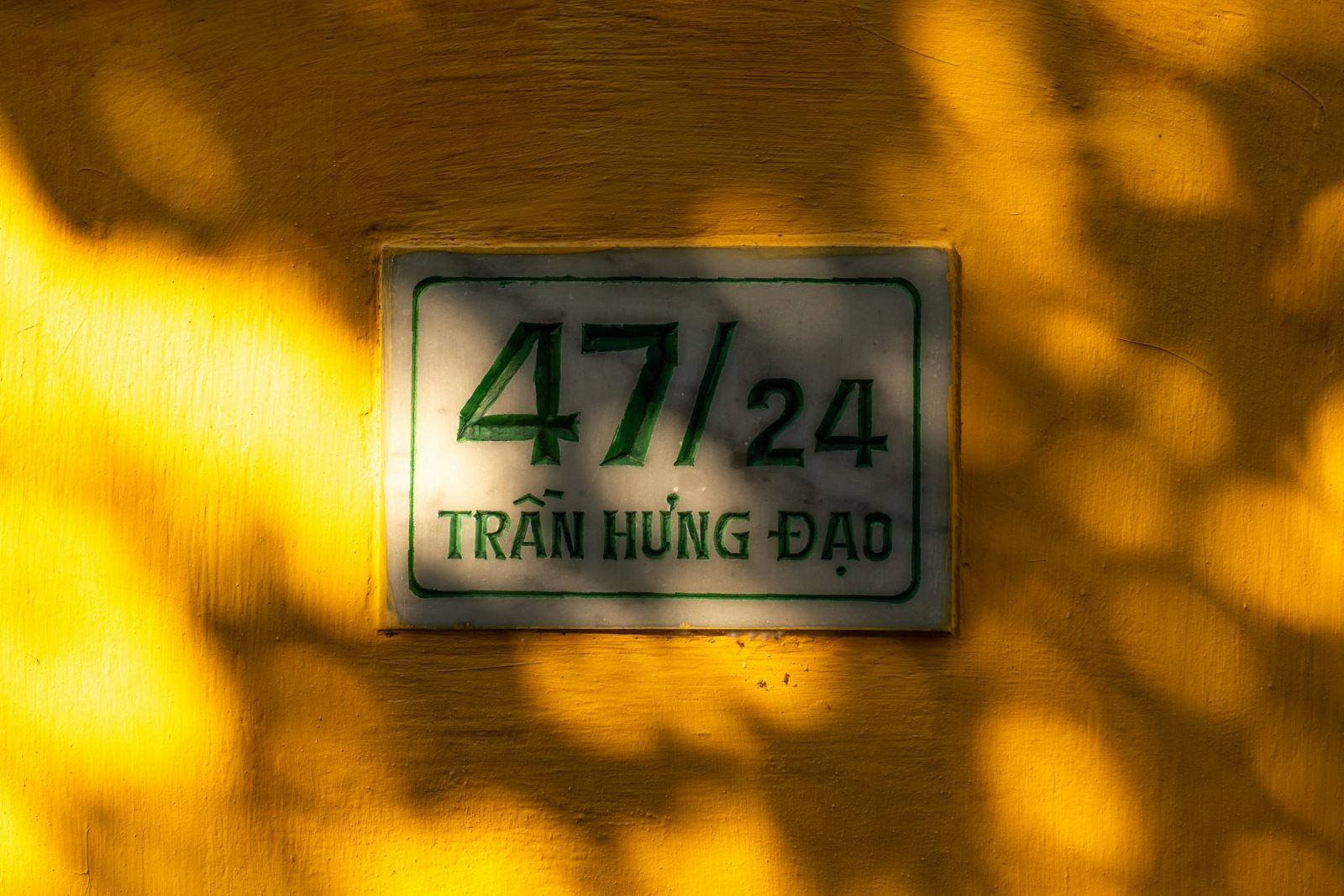
Vietnamese addresses are usually organised from smaller location details
To larger administrative areas. This is often the reverse of how many international travellers mentally process addresses.
In addition, Vietnam uses several administrative layers such as:
-
house numbers
-
alley numbers
-
streets
-
wards
-
districts
-
cities or provinces
For travellers unfamiliar with Vietnamese geography, this can initially make addresses appear much more complicated than they actually are. However, once travellers understand the structure, reading addresses becomes far easier.
2.0. Basic Vietnam Address Format Structure
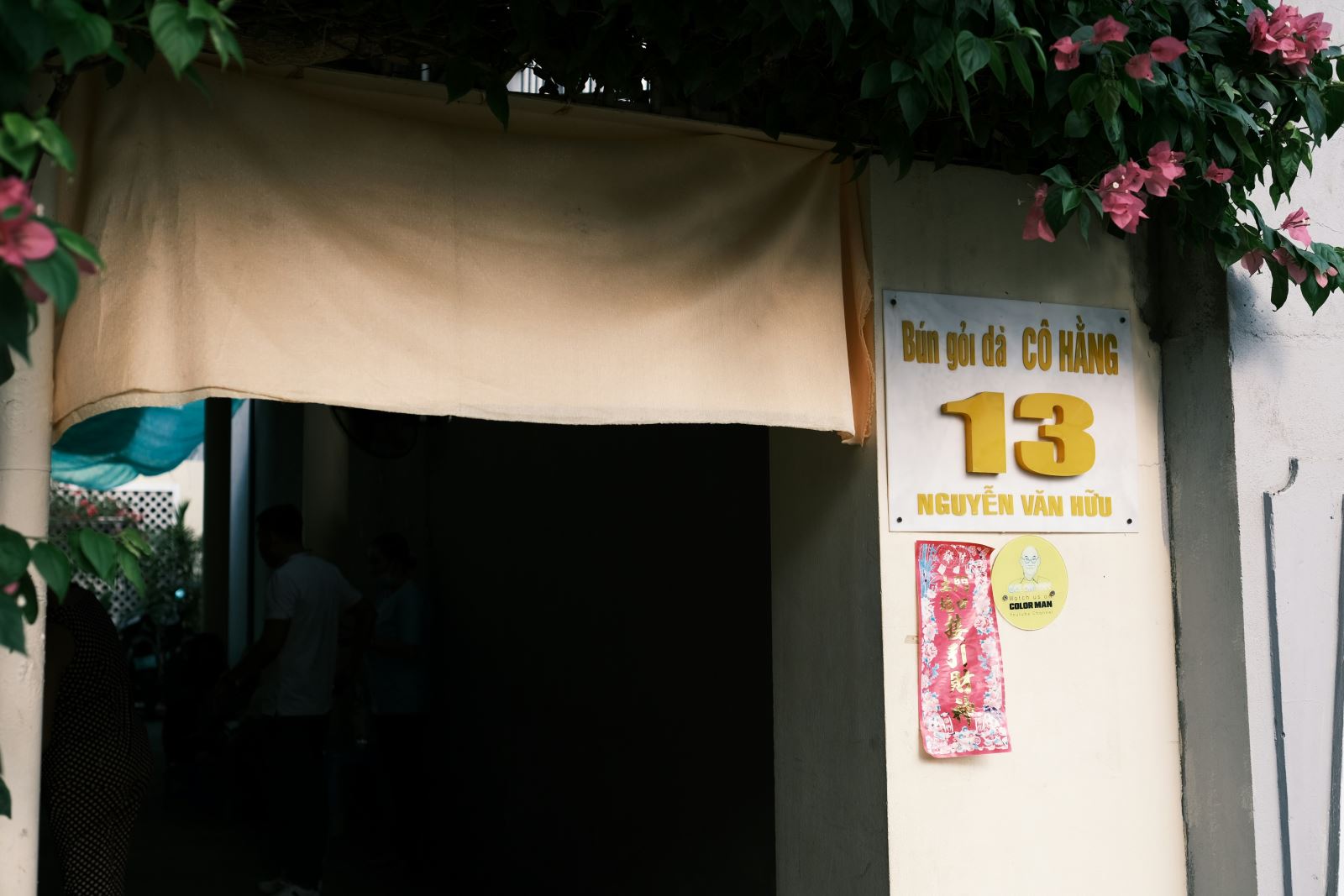
A standard Vietnam Address Format generally follows this order:
House Number + Street → Ward → District → City/Province → Vietnam
For example:
12 Nguyen Hue Street, Ben Nghe Ward, District 1, Ho Chi Minh City, Vietnam
Or in Hanoi:
25 Hang Be Street, Hang Bac Ward, Hoan Kiem District, Hanoi, Vietnam
At first glance, these may look long, but the structure is actually very logical once broken down into parts.
3.0. Understanding the Different Parts of a Vietnam Address
The most important thing travellers should understand is that each section provides progressively larger geographic information.
3.1. House Number & Street Name
This identifies the exact physical building location.
Example:
-
25 Hang Be Street
-
18 Tuan Chau Marina
-
42 Tran Hung Dao
In older cities like Hanoi, travellers may also encounter:
-
alley systems
-
lane numbers
-
nested addresses
For example:
-
12/5 Dao Duy Tu Street
This can indicate:
-
building 12
-
smaller alley section 5
-
within the larger street.
This is one reason transportation pickups in Hanoi can occasionally become confusing for first-time visitors.
3.2. Ward (Phường)
Wards are smaller administrative neighbourhood areas inside districts.
Examples include:
-
Ben Nghe Ward
-
Hang Bac Ward
-
Bai Chay Ward
Travellers may not always need to remember the ward name personally, but it remains useful for:
-
navigation apps
-
delivery services
-
transportation coordination
3.3. District (Quận)
Districts are larger administrative divisions inside major cities. Some districts are extremely important for travellers because they define the overall atmosphere of the area.
For example:
-
Hanoi
-
Hoan Kiem District = Old Quarter & tourism centre
-
Tay Ho District = expat and lakeside area
-
-
Ho Chi Minh City
-
District 1 = central tourism area
-
-
Halong
-
Bai Chay = major tourism district
-
Understanding districts often helps travellers understand where accommodation is actually located.
3.4. City or Province
The final major section identifies:
-
Hanoi
-
Ho Chi Minh City
-
Quang Ninh Province
-
Hai Phong
-
Da Nang
This becomes especially important because some street names repeat across multiple cities in Vietnam.
4.0. Why Vietnam Address Format Matters for Travellers
Understanding the Vietnam Address Format is particularly useful when:
-
arranging airport transfers
-
coordinating cruise pickups
-
locating hotels
-
booking transportation
-
using ride-hailing apps
-
finding Hanoi Old Quarter accommodation
Many visitors underestimate how complicated pickup logistics can become in:
-
narrow Hanoi streets
-
walking-only areas
-
alley-based accommodation
Especially for Halong Bay cruises, transportation timing matters carefully because:
-
cruise departures are fixed
-
transfer routes are long
-
pickup delays may affect embarkation timing
This is one reason itinerary coordination becomes so important in Northern Vietnam.
5.0. Hanoi Old Quarter Addresses Can Be Especially Confusing
The Hanoi Old Quarter is one of Vietnam’s most atmospheric areas, but also one of the most complicated for navigation.
Many streets:
-
are extremely narrow
-
contain multiple alleys
-
restrict larger vehicle access
-
change traffic patterns during weekends
Travellers may book hotels that appear central online, only to discover:
-
vehicles cannot stop directly outside
-
luggage must be carried through alleyways
-
pickup points differ from hotel entrances
Vietnam Luxury Cruises can help travellers arrange:
-
Hanoi accommodation
-
transportation coordination
-
Halong Bay cruise pickups
-
smoother itinerary pacing
-
particularly for travellers unfamiliar with Hanoi logistics.
Understanding the Vietnam Address Format becomes especially useful when coordinating:
-
Hanoi accommodation
-
airport transfers
-
cruise embarkation
-
transportation timing
-
Northern Vietnam itineraries
Vietnam Luxury Cruises can help travellers:
-
arrange accommodation
-
coordinate cruise transportation
-
personalise itineraries
-
simplify Hanoi and Halong logistics
-
match hotel locations with transfer convenience
Explore curated journeys here:
-
Cruise Tours
-
Halong Bay Cruises
-
Lan Ha Bay Cruises
6.0. Common Mistakes Travellers Make with Vietnam Addresses
One common mistake is assuming all addresses function similarly to Western systems.
In reality:
-
small alleys may contain dozens of businesses
-
hotels may use unofficial shortened addresses
-
ride-hailing pickup points may differ from entrances
-
some streets have nearly identical names
Travellers should always:
-
save the full address
-
save hotel contact numbers
-
use Google Maps carefully
-
screenshot accommodation entrances if possible
This becomes especially helpful in:
-
Hanoi
-
Ho Chi Minh City
-
Cat Ba Island
-
Halong City
7.0. How Addresses Work in Halong Bay & Cruise Areas
Many travellers are surprised that “Halong Bay” itself is not simply one central location.
Cruise departures may occur from:
-
Tuan Chau Marina
-
Halong International Cruise Port
-
Cat Hai / Lan Ha Bay routes
Depending on the cruise selected.
This is why transportation coordination matters significantly.
Travellers should never assume:
-
all cruises depart from the same location
-
all Halong hotels are close to cruise ports
-
Lan Ha Bay routes use identical embarkation points
Vietnam Luxury Cruises can help verify:
-
pickup timing
-
departure ports
-
transportation planning
-
accommodation suitability
-
before arrival.
8.0. Vietnam Address Format Tips for First-Time Visitors
Travellers usually adapt quickly once they understand how addresses function locally.
Helpful tips include:
-
always save addresses exactly as provided
-
keep Vietnamese spellings where possible
-
allow extra transfer time in Hanoi
-
confirm pickup points in advance
-
avoid relying only on shortened hotel names
Most importantly, travellers should understand that logistics in Vietnam often work best with:
-
flexibility
-
clear communication
-
advance coordination
-
rather than assuming everything functions automatically.
9.0. Frequently Asked Questions
9.1. What is the standard Vietnam Address Format?
Vietnamese addresses generally follow: house number, street, ward, district, city or province, Vietnam.
9.2. Why do Vietnamese addresses look so long?
Vietnamese addresses include several administrative layers which help identify exact locations more accurately.
9.3. What is a ward in Vietnam?
A ward is a smaller neighbourhood-level administrative area inside a district.
9.4. Why are Hanoi addresses sometimes confusing?
Hanoi Old Quarter contains narrow streets, alley systems and vehicle restrictions that can complicate navigation.
9.5. Are all Halong Bay cruise ports in the same location?
No. Different cruises may depart from different marina and port areas.
9.6. Should travellers save addresses in Vietnamese?
Yes. Keeping the original Vietnamese spelling can help avoid confusion with drivers and navigation apps.
9.7. Can Vietnam Luxury Cruises help coordinate transportation?
Yes. Vietnam Luxury Cruises can help arrange transfers, accommodation and itinerary coordination.
9.8. Why is understanding Vietnam Address Format important for travellers?
It helps travellers avoid transportation confusion and improve itinerary coordination.
9.9. Do hotels in Hanoi always allow direct vehicle access?
Not always. Some accommodation is located inside narrow alleys or restricted streets.
9.10. What should travellers know about Vietnam Address Format before visiting in 2026?
The most important thing is understanding that Vietnamese addresses are highly detailed and often connected closely to transportation logistics.
Final Thoughts
Understanding the Vietnam Address Format may seem like a small detail initially, but it often becomes surprisingly important once travellers begin navigating cities like Hanoi or coordinating cruise transportation in Northern Vietnam.
The more travellers understand how locations, districts and pickup logistics work together, the smoother and more comfortable the overall journey tends to become.
For personalised itinerary planning or cruise recommendations, email info@vietnamluxurycruises.com or call our hotline (+84) 985 903 538.
Written by Cindy Bui - Vietnam Luxury Cruises’ travel expert.